Varicose Vein Treatment
Assessment and minimally invasive options for enlarged or uncomfortable leg veins, when clinically suitable.
Ask about this treatment →Interventional radiology uses advanced imaging to treat many conditions through tiny openings instead of large surgical incisions. Our goal is precise treatment, less discomfort, and a smoother recovery whenever medically appropriate.
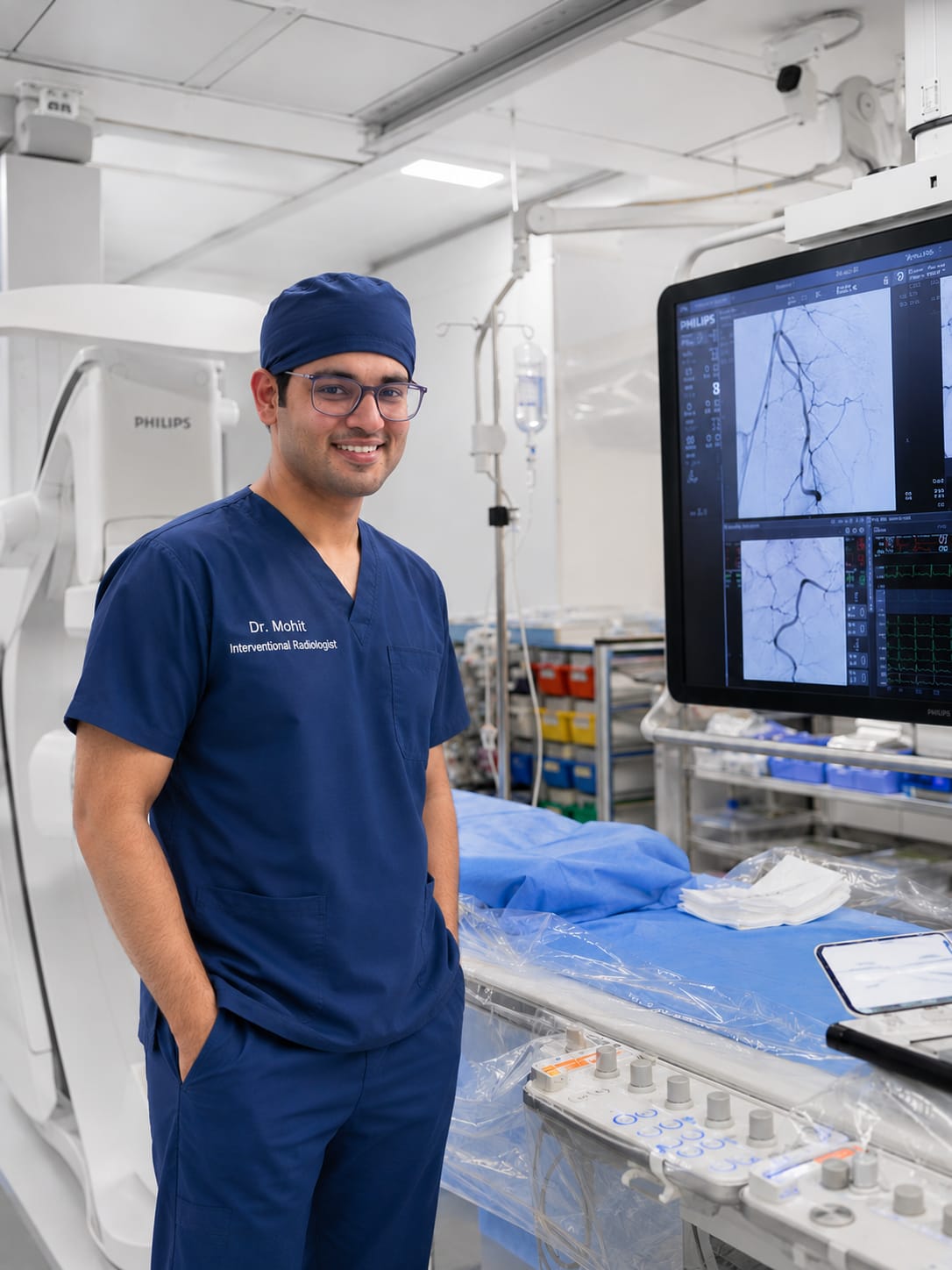
Treatment suitability depends on your symptoms, imaging, test results, and medical history. A consultation helps determine which approach is appropriate for you.
Assessment and minimally invasive options for enlarged or uncomfortable leg veins, when clinically suitable.
Ask about this treatment →Evaluation and image-guided treatment options for narrowed or blocked arteries affecting blood flow.
Ask about this treatment →Specialist assessment for blood clots in deep veins, including selected catheter-based treatments when indicated.
Ask about this treatment →A minimally invasive option that may help selected patients with symptoms caused by uterine fibroids.
Ask about this treatment →Image-guided procedures that can help evaluate and treat narrowing or blockage in dialysis access.
Ask about this treatment →Selected image-guided procedures used as part of multidisciplinary treatment planning for certain tumors.
Ask about this treatment →Evaluation and minimally invasive treatment planning for selected abnormal blood-vessel formations.
Ask about this treatment →Precise needle placement using imaging to obtain tissue samples for diagnosis when recommended.
Ask about this treatment →Image-guided placement of a small tube to drain selected fluid collections when medically required.
Ask about this treatment →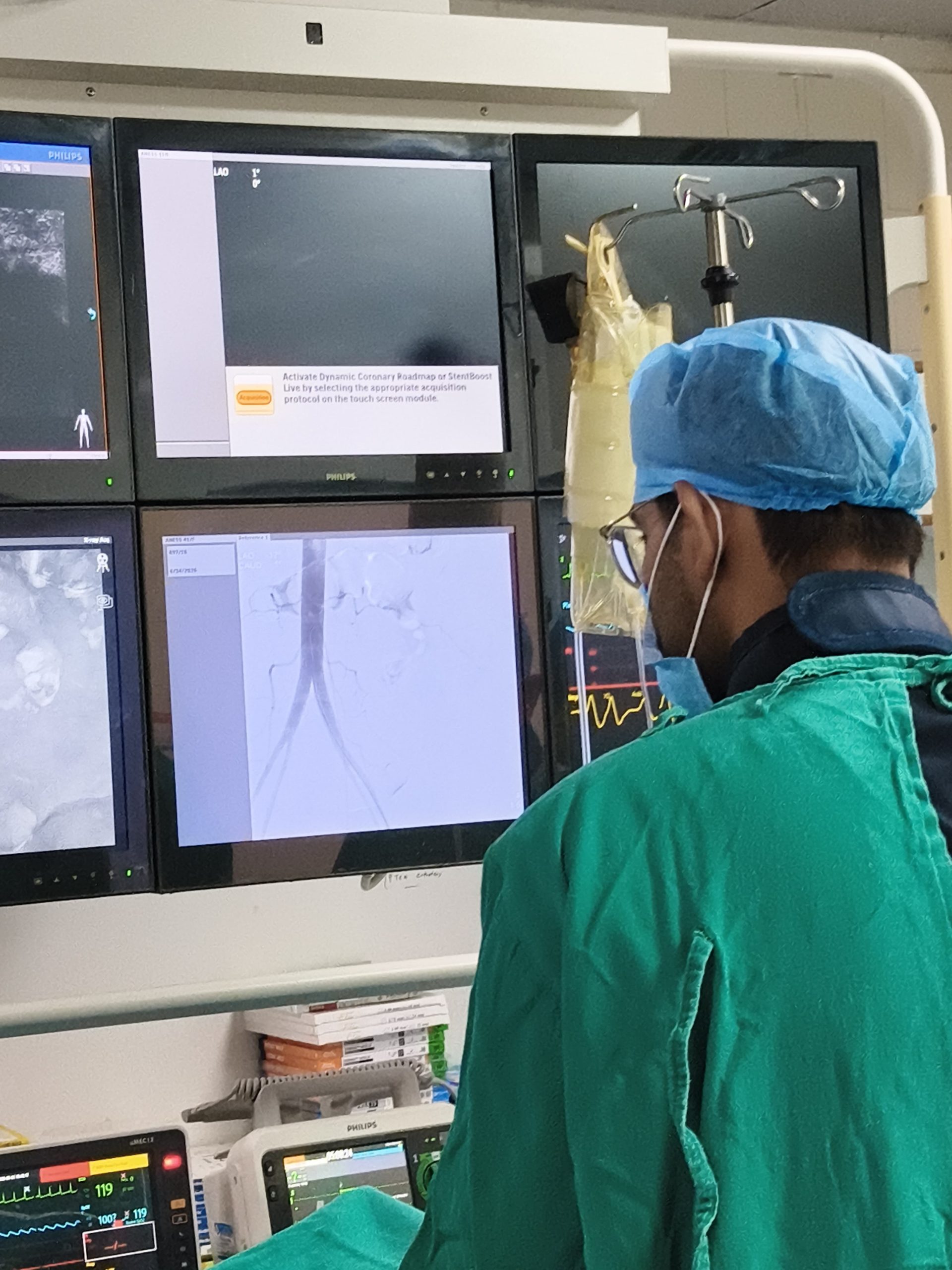
Interventional radiology combines detailed imaging with minimally invasive techniques. Each treatment plan should be based on your diagnosis, imaging, medical history, and a clear discussion of benefits, alternatives, and possible risks.
Interventional radiology can provide an alternative to open surgery for selected conditions. The exact benefits and risks vary by procedure and patient.
Many procedures are performed through a needle puncture or a small catheter entry site.
Ultrasound, X-ray, CT, or other imaging may be used to guide instruments with precision.
The procedure is directed at a specific vessel, organ, or abnormal area identified on imaging.
Many minimally invasive procedures allow shorter recovery than open surgery, although this varies by treatment.
The exact steps may differ depending on your condition and the procedure being considered.
Discuss your symptoms, medical history, previous treatment, and current concerns.
Relevant scans and tests are reviewed to understand the problem and treatment options.
You receive a clear explanation of the proposed procedure, alternatives, risks, and preparation.
After treatment, follow-up instructions and further review are arranged as needed.
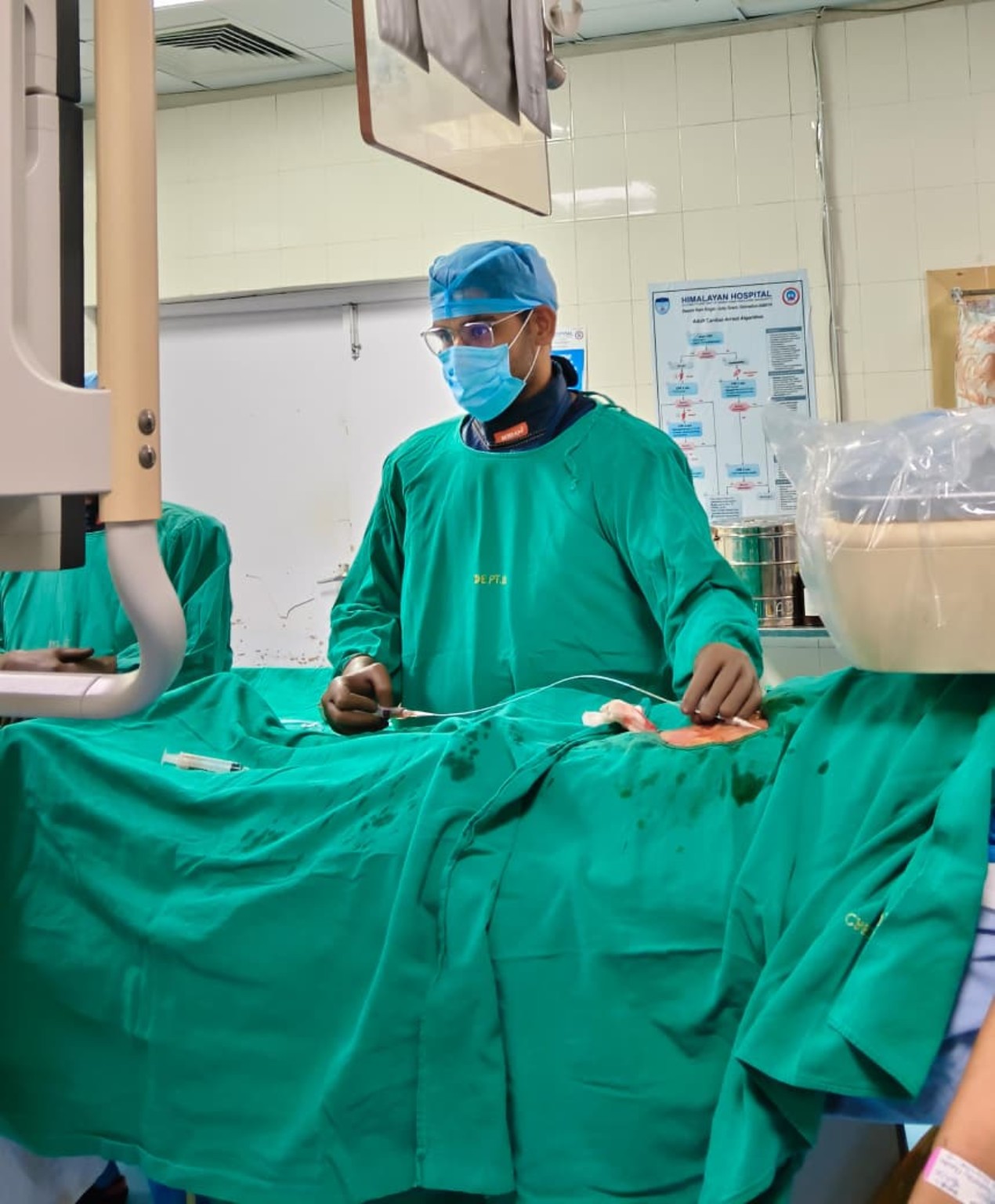
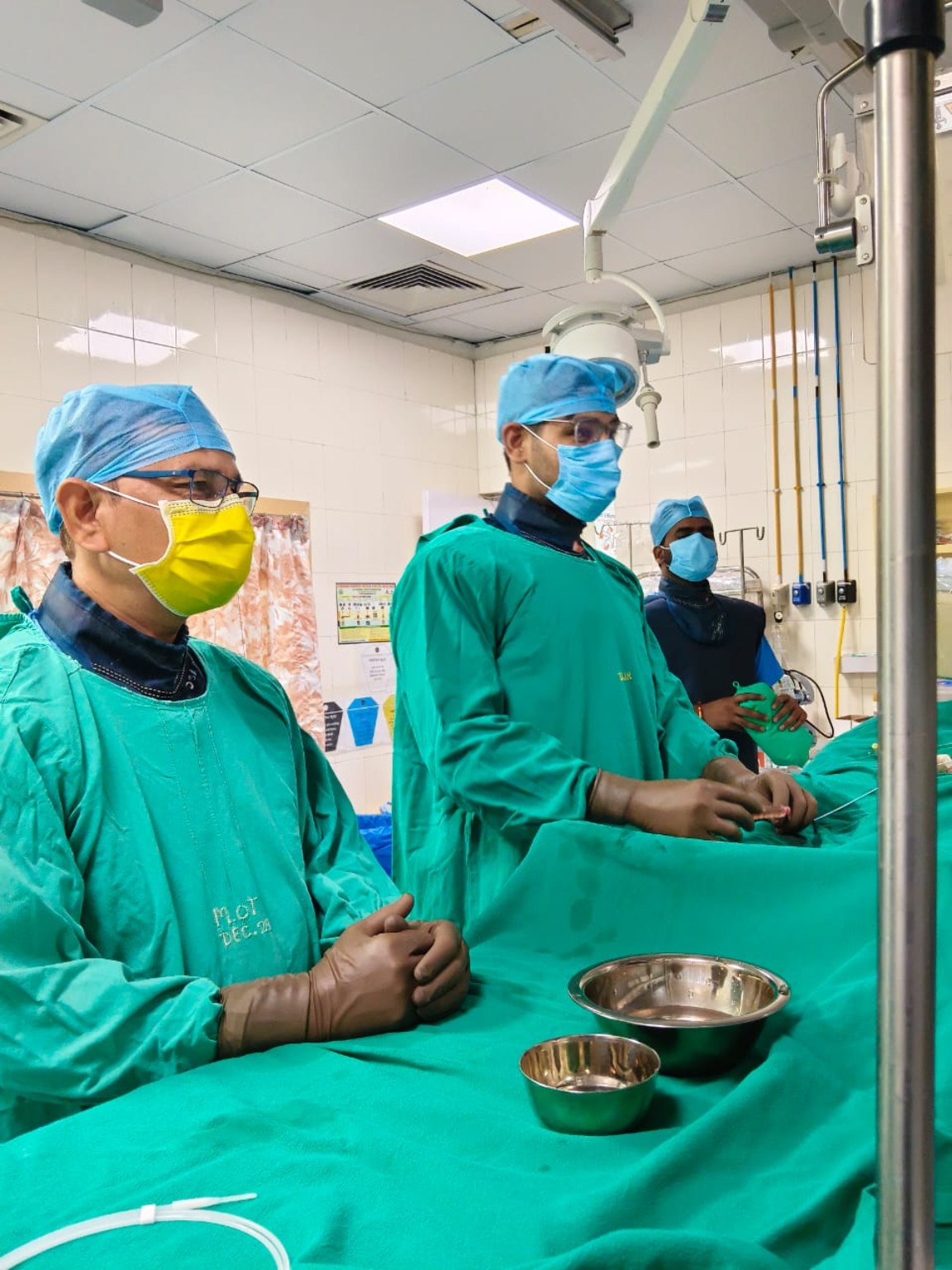
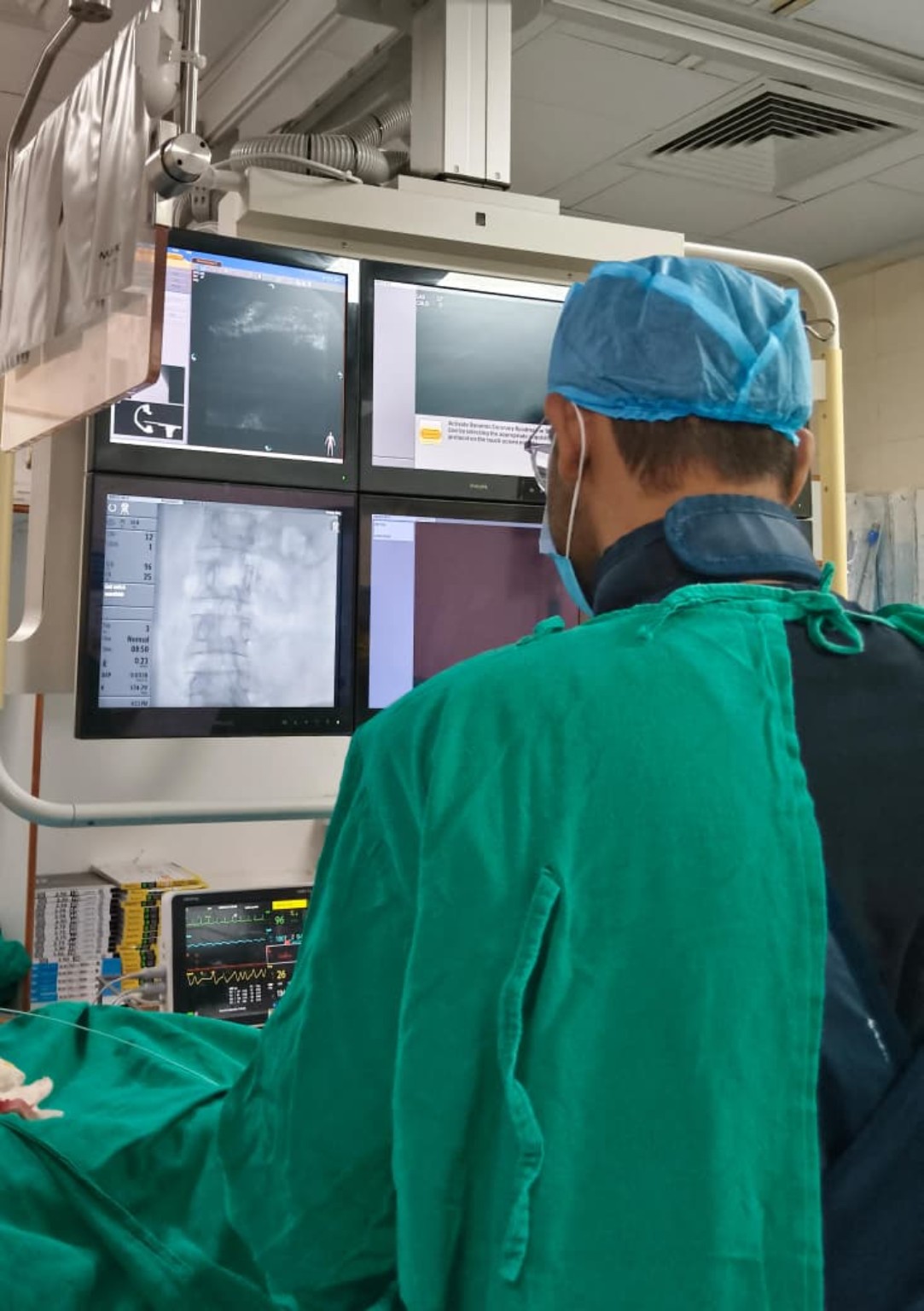
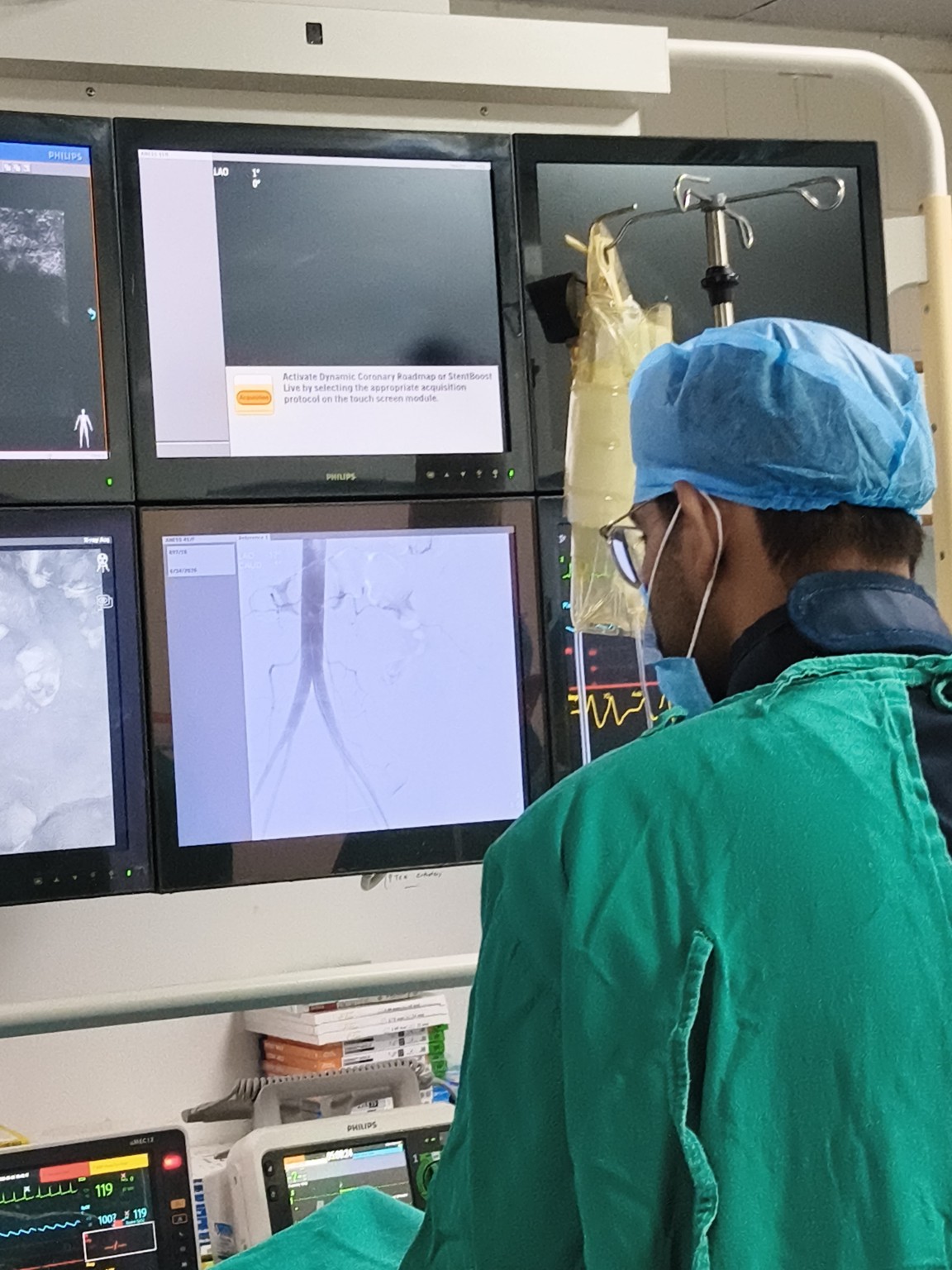
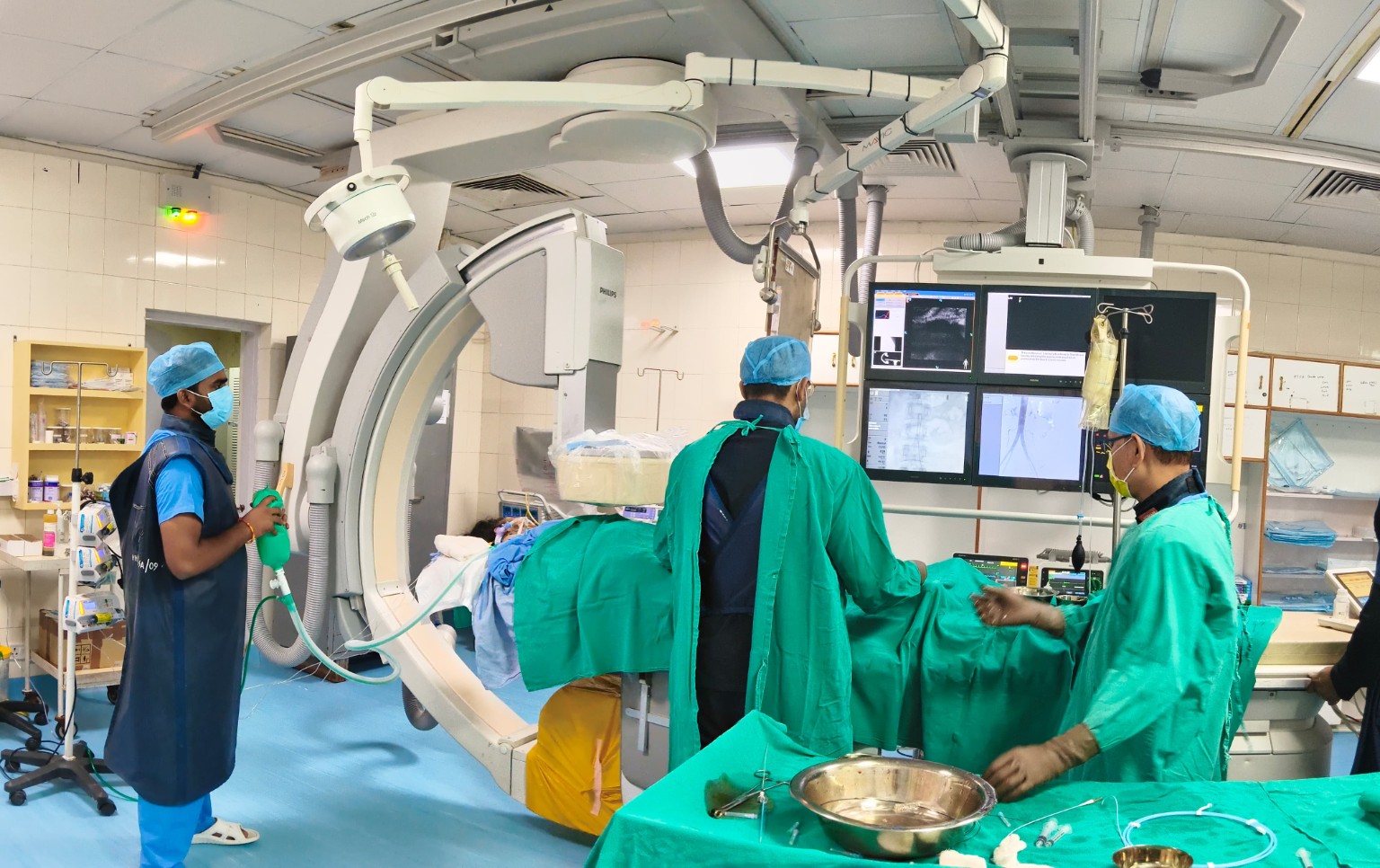
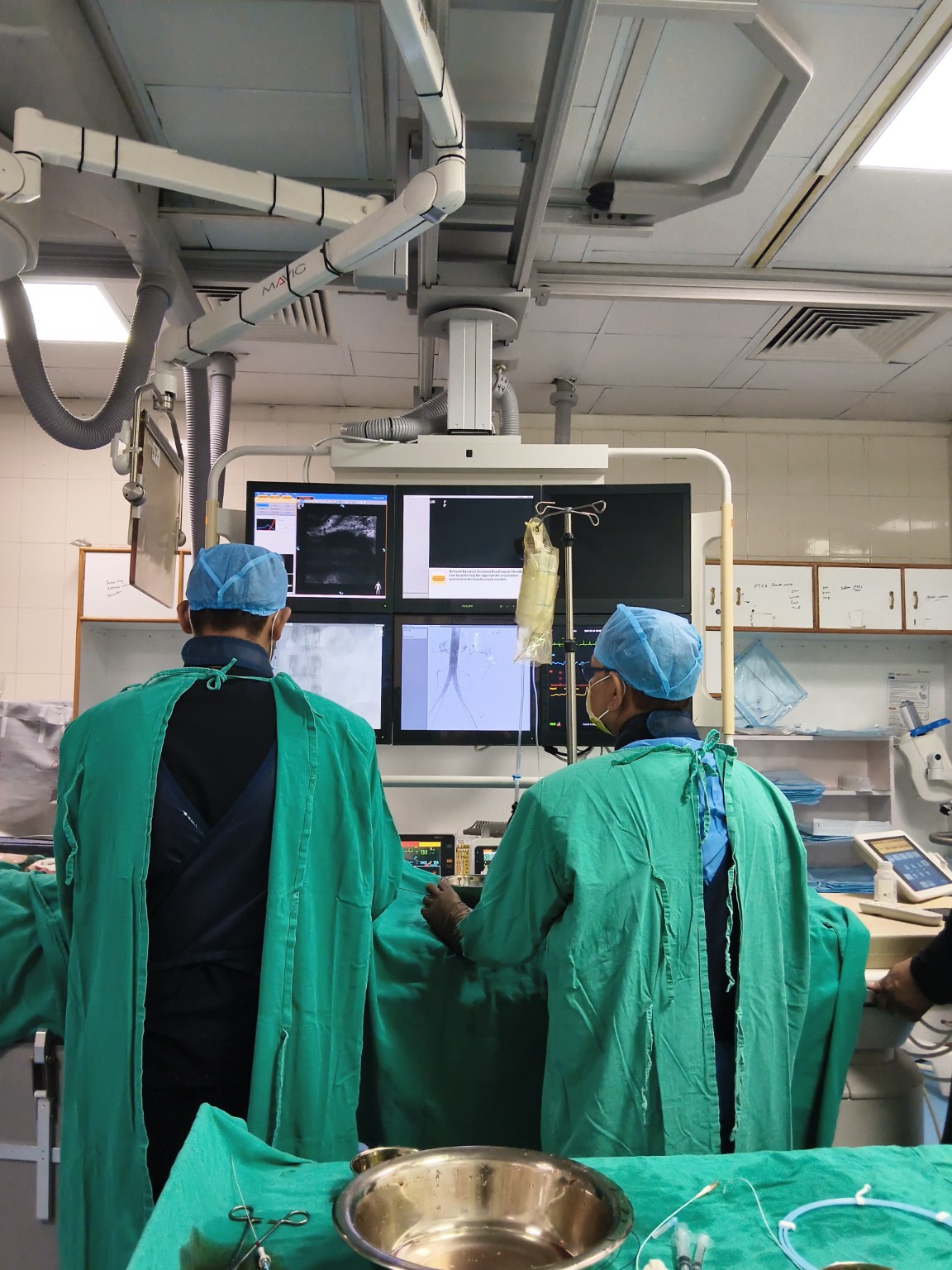
These procedure-room images can be shown in a carousel. You can replace, hide, or update any image from the WordPress Customizer.
Contact the clinic to ask whether an interventional radiology consultation may be appropriate.
Publish only genuine patient feedback that you have permission to display.
Swipe or drag to view more reviews
For urgent or life-threatening symptoms, contact local emergency services or go to the nearest emergency department.